

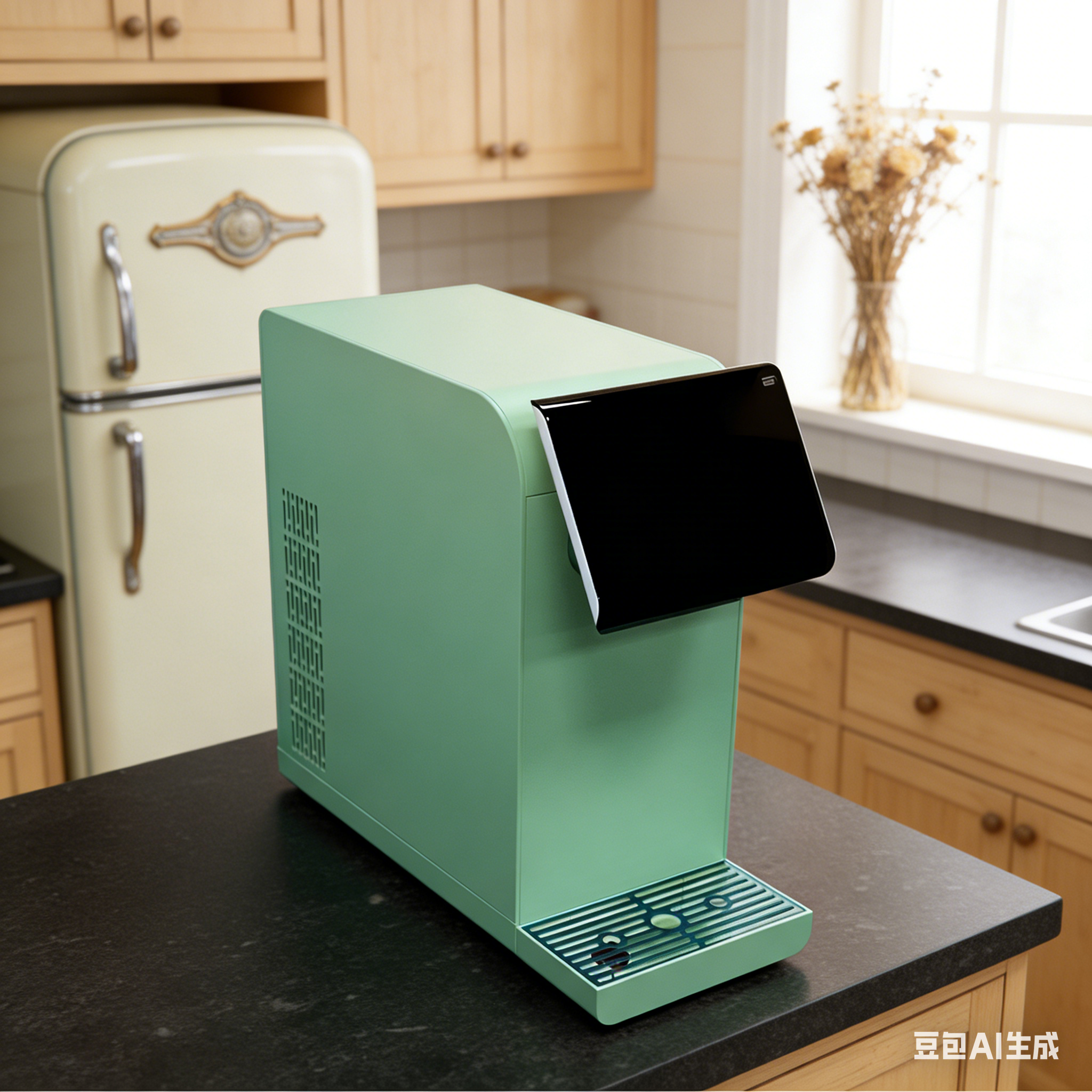
We buy water purifiers with one grand promise in mind: it will make things taste better. The sales material paints a crisp, clean picture—no more chlorine, no metallic tinge, just pure hydration. We imagine our morning coffee blooming with new flavors, our herbal tea tasting truer to the leaf, our simple glass of water becoming a refreshing event.
So, why does your coffee now taste flat? Why does your expensive green tea lack its vibrant character? Why does your soup base seem somehow… muted?
The culprit might not be your beans, your leaves, or your broth. The culprit might be the very machine you bought to improve them. You’ve fallen into one of the most common taste traps in home water purification: the pursuit of purity at the expense of chemistry.
The Misunderstood Alchemy of Flavor
The flavor in your cup is not a solo act. It’s a complex extraction, a negotiation between hot water and dry matter. Water is the solvent, not just a passive carrier. Its mineral content—its “personality”—is critical to this process.
- Magnesium is a powerful extractor, great for pulling deep, bold notes from coffee.
- Calcium contributes to a rounder, fuller body.
- A slight bicarbonate alkalinity can balance natural acidity, smoothing out sharp edges.
A traditional Reverse Osmosis (RO) system strips nearly 99% of these minerals away. What you’re left with is not “pure” water in a culinary sense; it’s empty water. It’s an overly aggressive solvent with no buffer, often slightly acidic. It can over-extract certain bitter compounds while failing to pull out the balanced sweetness and complexity. The result is a cup that can taste hollow, sharp, or one-dimensional.
You didn’t make bad coffee. You gave your good coffee bad water.
The Three Water Profiles: Which One is in Your Kitchen?
- The Empty Canvas (Standard RO): Very low mineral content (< 50 ppm TDS). Can make coffee taste flat, tea taste weak, and can even taste slightly “tangy” on its own. Excellent for safety, poor for cuisine.
- The Balanced Brush (Ideal Range): A moderate mineral content (approx. 150-300 ppm TDS), with a balance of minerals. This is the sweet spot—water with enough character to carry flavor without overwhelming it. This is what premium coffee shops aim for with their filtration systems.
- The Overpowering Paint (Hard Tap Water): High in calcium and magnesium (>300 ppm TDS). Can lead to excessive scaling, overpower delicate flavors, and leave a chalky mouthfeel.
If you’re an enthusiast—of coffee, tea, whiskey cocktails, or even bread baking (yes, water matters there too)—your standard purifier might be your biggest obstacle.
How to Reclaim Flavor: Three Paths to Better Water
The goal isn’t to go back to unfiltered water. It’s to get smartly filtered water. You need to remove the bad (chlorine, contaminants) while preserving or adding back the good (beneficial minerals).
- The Upgrade: Remineralization Filters
This is the most elegant fix. You can add an alkaline or remineralization post-filter to your existing RO system. As the pure water leaves the membrane, it passes through a cartridge containing calcium, magnesium, and other minerals, rebuilding a healthy profile. It’s like adding a “finishing salt” to your water. - The Alternative: Selective Filtration
Consider systems that don’t rely on RO. A high-quality activated carbon block filter (often with a sediment pre-filter) can remove chlorine, pesticides, and bad tastes while leaving the natural minerals intact. For areas with generally safe municipal water but poor taste, this can be a flavor-saving solution. - The Precision Tool: Custom Mineral Drops
For the true hobbyist, products like Third Wave Water or mineral concentrates let you become a water sommelier. You start with zero-TDS water (from your RO system or distilled) and add precise mineral packets to create water tailored for espresso, pour-over, or tea. It’s the ultimate control.
The bottom line: Your water purifier shouldn’t be a flavor-neutralizer. Its job is to be a flavor-enabler. If your carefully sourced, expertly prepared drinks are falling flat, don’t blame your technique first. Look to your water.
It’s time to move beyond the binary of “clean” vs. “dirty” water and start thinking about “supportive” vs. “aggressive” water. Your palate—and your morning ritual—will thank you.
Post time: Jan-07-2026