

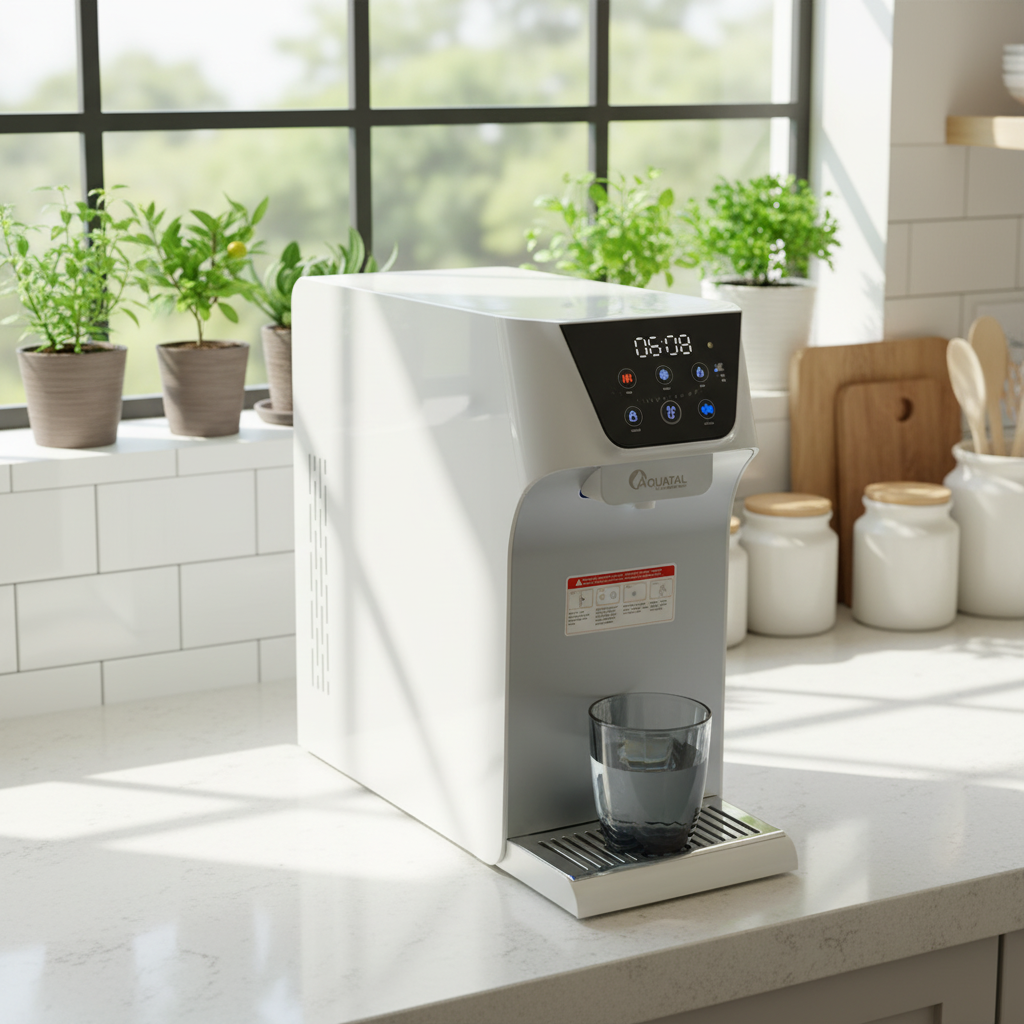
Let’s be honest – when we buy a water purifier, we’re all thinking about the same shiny outcome: crystal clear, great-tasting water straight from the tap. We compare technologies (RO vs. UV vs. UF), pore over specs, and finally make a choice, basking in the satisfaction of a healthy decision.
But there’s a quiet truth the glossy brochures don’t always shout about: the purchase price is just the down payment. The real, long-term relationship with your purifier is defined by what happens after it’s installed. Welcome to the world of maintenance – the unglamorous, utterly essential key to ensuring your investment doesn’t turn into a dripping, inefficient countertop fossil.
Think of your water purifier not as a static appliance, but as a living system. Its heart is the set of filters, and just like any heart, it needs regular care to function. Neglect it, and you’re not just drinking subpar water; you might be undoing all the good you paid for.
The Filter Lifecycle: More Than Just a “Change Me” Light
That little indicator light is helpful, but it’s a blunt instrument. Understanding why filters need changing turns a chore into a conscious act of care.
- The Sediment Pre-Filter (The First Line of Defense): This unsung hero catches rust, sand, and silt. Let it clog, and you strangle the water flow to every other stage, making your entire system work harder and less efficiently. A dirty pre-filter is like trying to breathe through a stuffed nose.
- The Carbon Filter (The Flavor Savior): This is what banishes chlorine and improves taste. Once its porous surface is saturated with contaminants, it stops working. More critically, old, spent carbon filters can become a breeding ground for bacteria—the opposite of their intended purpose.
- The RO Membrane (The High-Tech Core): The most expensive component. Scale from hard water or sediment can clog its microscopic pores. A damaged membrane means dissolved salts and heavy metals slip right through, rendering the entire “purification” process a costly charade.
The Domino Effect of Delay: Postponing a filter change doesn’t just mean weaker performance. It can cause leaks from increased pressure, lead to strange noises from overworked pumps, and ultimately result in a complete system breakdown that costs far more than a filter kit to fix.
Mastering the Maintenance Mindset: Your Action Plan
Turning apprehension into routine is simpler than you think.
- Decode the Manual (Seriously): It holds your specific model’s roadmap. Note the recommended change intervals for each stage. Mark these dates in your digital calendar the day you install the system. Pro Tip: Don’t wait for the red light. Set reminders a month in advance to order replacements so you never get caught out.
- Know Your Water’s Personality: Is your water notoriously hard? Do you have more sediment? Your filter life will be shorter than the standard suggestion. Your personal water quality is the ultimate guide.
- Source Filters Wisely: Always use manufacturer-recommended or certified compatible filters. A cheap, uncertified filter might fit, but it could compromise water quality, damage the system, and void your warranty. It’s the least expensive part of the system—don’t skimp here.
- Find a Maintenance Partner: If DIY isn’t your style, many reputable companies offer affordable annual service plans. A technician will do the work, perform a system check, and often give you a heads-up on future issues. For busy households, this peace of mind is priceless.
Investing in a water purifier is a promise to yourself for better health. Honoring that promise means looking beyond the initial splash and committing to the simple, steady rhythm of care. Because the truest taste of clean water isn’t just purity—it’s the confidence that every single glass is as perfect as the first.
Post time: Dec-02-2025